Fuerteventura is Europe's top destination for surfers and water sports enthusiasts. Year-round perfect waves, crystal-clear water, and a vibrant surf culture await you on this Canary Island.
Fuerteventura: Europe's Paradise for Wave Riders
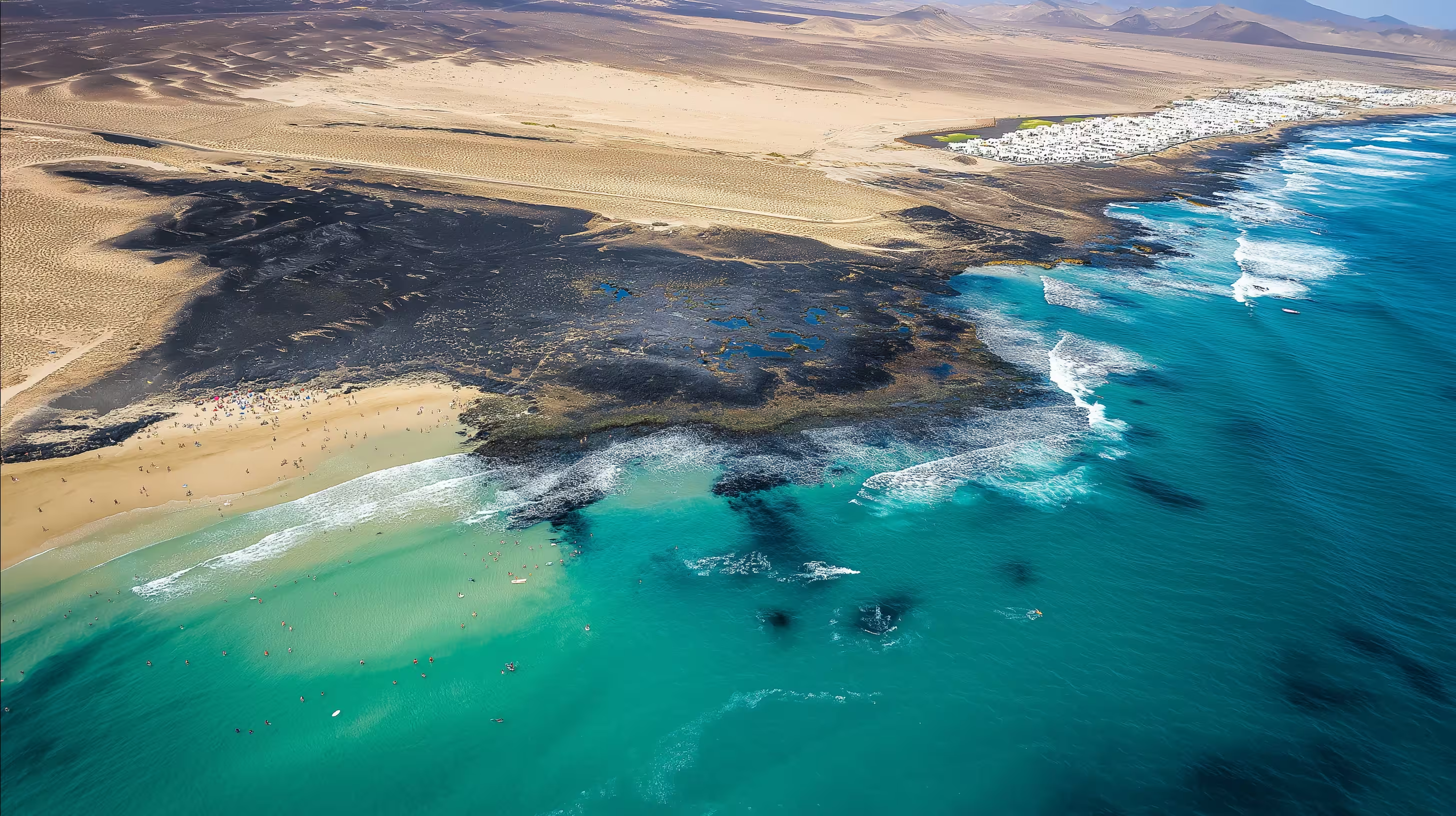
Fuerteventura is the second-largest of the Canary Islands and has become Europe's leading surf destination. With over 150 kilometers of coastline, consistent trade winds, and year-round warm temperatures, the island offers perfect conditions for all water sports - from beginner to professional.
Surfing in Fuerteventura: The Best Spots
The north coast of Fuerteventura is known for powerful waves, while the south offers gentler conditions for beginners.
Top Surf Spots for Beginners:
Playa de la Pared:
One of the island's best beginner spots. Sandy bottom, moderate waves, and several surf schools right on the beach. - Wave height: 0.5-1.5 meters - Best conditions: Year-round, especially good March-November - Surf schools: La Pared Surf School, Fuerteventura Surf School
Playa del Castillo (El Cotillo):
The El Cotillo lagoon offers protected waves, ideal for first surfing attempts. - Wave height: 0.3-1 meter - Best conditions: April-October
Top Surf Spots for Intermediate and Advanced:
El Hierro (Majanicho):
World-class right-hand wave that regularly attracts professional competitions. - Wave height: 1-3 meters - Type: Reef break - Difficulty: Advanced to expert - Best conditions: October-March
Bubble (La Derecha de los Alemanes):
Fast, hollow wave over volcanic rock. - Wave height: 1-2.5 meters - Difficulty: Advanced - Special feature: Barrel opportunities
Kitesurfing and Windsurfing
Fuerteventura is one of the world's top destinations for wind-powered water sports. The constant trade winds make the island a perfect training ground.
Best Kitesurfing Spots:
Flag Beach (Corralejo):
The most famous kite spot on the island with ideal conditions for all levels. - Wind direction: Northeasterly (Sideshore) - Wind strength: Average 18-25 knots - Surface: Sandy beach - Best time: April-October
Sotavento (Costa Calma):
Legendary spot, host of the World Cup. - Wind direction: Northeasterly - Special feature: Lagoon at low tide - perfect for beginners - Best time: May-September
Recommended Kite Schools:
- René Egli Windsurfing & Kitesurfing: Europe's largest water sports center in Sotavento - Flag Beach Kite School: IKO-certified courses - ION Club Fuerteventura: Professional training and equipment
Best Time for Water Sports
Year-round Destination:
Fuerteventura can be visited year-round, but conditions vary:
Surfing:
- September-March: Larger waves (winter swells from the North Atlantic) - April-August: Smaller but consistent waves
Kitesurfing/Windsurfing:
- April-September: Best wind guarantee (trade winds) - October-March: Variable conditions, but often rideable days
Water Temperatures:
- Winter: 18-19°C (3/2 wetsuit recommended) - Summer: 22-24°C (Shorty or just lycra) - Air temperature: Year-round 20-28°C
Getting There and Practical Tips
Flight Connections from Germany:
Direct flights to Fuerteventura (FUE) from almost all German airports, including Frankfurt (FRA), Munich (MUC), Düsseldorf (DUS), Berlin (BER), Hamburg (HAM), Cologne (CGN), Stuttgart (STR), Hanover (HAJ), and Nuremberg (NUE). Flight time: approximately 4-4.5 hours.
Our Tip: Compare parking at your departure airport with Parkplatz-Scanner.de and save money for more surf sessions!Rental Car:
Highly recommended! Many of the best spots are only accessible by car.
Budget (per week):
- Budget option: 500-700 EUR (Hostel, self-catering) - Mid-range: 800-1,200 EUR (Hotel, surf course included) - Comfort: 1,500+ EUR (Resort, private coaching)
Park affordably at Leipzig/Halle Airport
Compare all parking lots and find the best price for your trip.