Rome, the Eternal City, is a living open-air museum where ancient ruins stand alongside Renaissance palaces and baroque fountains. From the majestic Colosseum to the Sistine Chapel to vibrant piazzas, the Italian capital offers incomparable experiences. Our travel guide leads you through 3,000 years of history, reveals the best neighborhoods, and shows how to skip the queues.
Discovering Rome: Your Complete City Guide
Rome is not a city you simply visit - you experience it. The Italian capital offers a unique density of world heritage sites, combined with Mediterranean joie de vivre and one of the world's best cuisines. From Munich, Frankfurt, and other German airports, you can reach Rome in about 1.5 hours.
Getting There and Local Transport
Rome has two airports: Fiumicino (FCO), the larger international airport, is located 30 kilometers southwest. The Leonardo Express takes you to Termini main station in 32 minutes (14.50 euros). Ciampino (CIA) is mainly used by budget airlines and is closer to the city.
Within Rome, a combination of metro, bus, and lots of walking is recommended. The metro has only three lines (A, B, C), as archaeological finds delay any expansion. Buy a 24/48/72-hour ticket or the Roma Pass for museums and transport. Taxi fares from the airport to the center are fixed (48 euros from Fiumicino).
Top Attractions
Colosseum and Roman Forum: The largest amphitheater of antiquity held 50,000 spectators. Nearby, the Roman Forum extends as the political center of ancient Rome. Book tickets online in advance - queues can be several hours long.
Vatican City: The world's smallest state houses some of the most significant art treasures. The Vatican Museums with the Sistine Chapel and Michelangelo's ceiling frescoes, plus St. Peter's Basilica, are must-sees. Come either at opening time at 8 AM or in the afternoon when tour groups leave.
Pantheon: The best-preserved building of Roman antiquity impresses with its perfect dome and oculus. Entry has been charged since 2023 (5 euros) but is absolutely worthwhile.
Trevi Fountain: The world's most famous fountain is especially atmospheric early in the morning or late at night. Throw a coin over your shoulder to return to Rome.
Exploring Rome's Neighborhoods
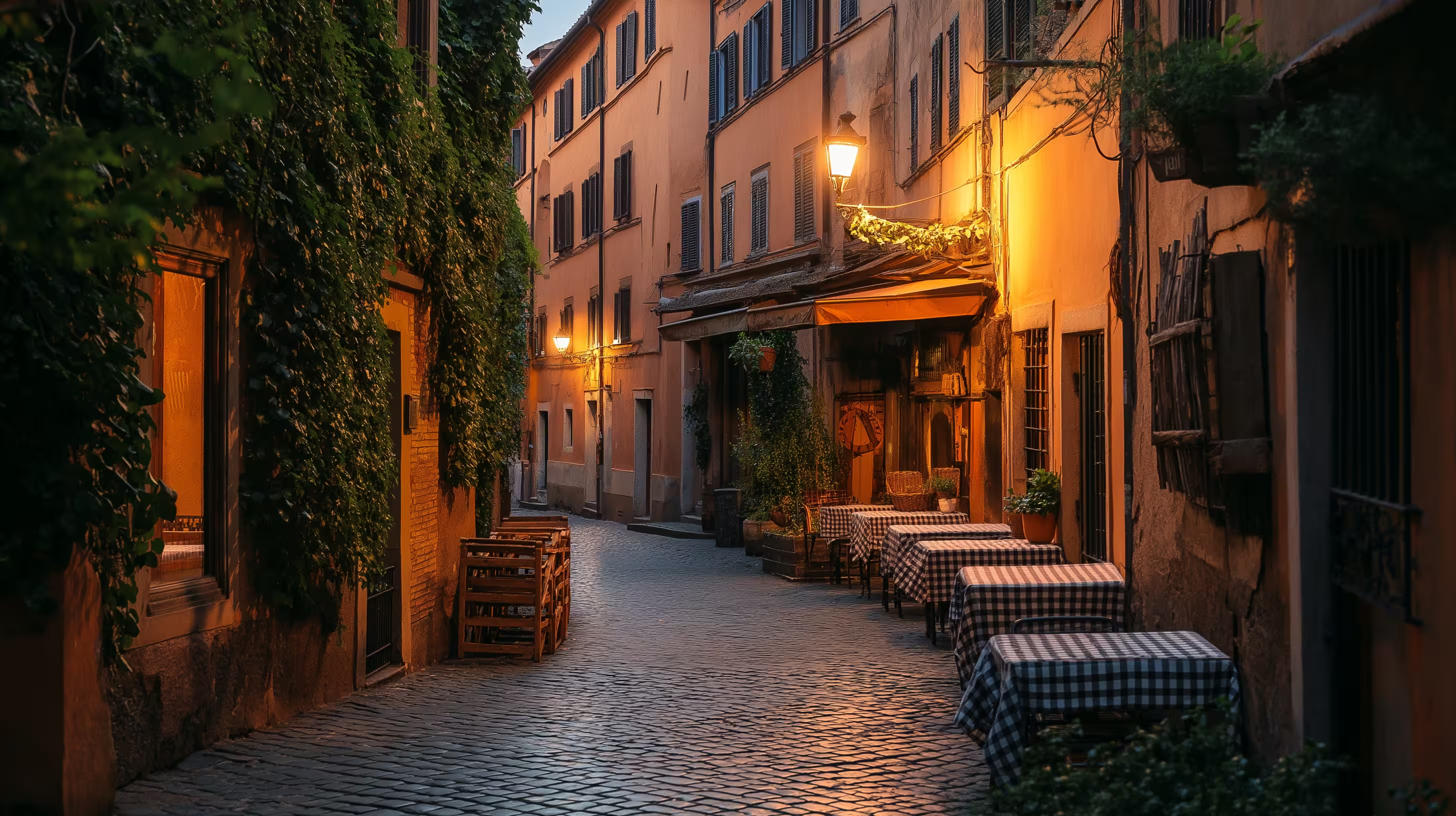
Trastevere: Rome's most charming neighborhood with cobblestone lanes, ivy-covered facades, and authentic trattorias. In the evening, piazzas transform into meeting places for locals and visitors.
Centro Storico: The historic center around Piazza Navona and Campo de' Fiori offers baroque architecture, art galleries, and the best espresso at small bars.
Testaccio: The former working-class neighborhood is now Rome's culinary heart. Testaccio Market and traditional restaurants serve authentic Roman cuisine.
Monti: Rome's oldest neighborhood has evolved into a hip nightlife area with vintage shops, wine bars, and small boutiques.
Best Time to Visit
The best months for Rome are April-May and September-October with pleasant temperatures around 20-25 degrees. Summer (July-August) can be extremely hot (over 35 degrees) and is tourist-heavy. Winter is mild, and the city is noticeably quieter - ideal for museum visits.
Culinary Tips
Roman cuisine is simple and hearty. Be sure to try:
- Cacio e Pepe: Pasta with just Pecorino and black pepper - seemingly simple but hard to perfect
- Carbonara: The original with guanciale (pork cheek), egg, and Pecorino - never with cream!
- Suppli: Deep-fried rice balls with mozzarella, the perfect snack
- Gelato: Avoid the towering colorful mountains - real gelato is stored subdued
- Aperitivo: Evening Spritz or Negroni with free snacks
Budget Tips
Rome can be expensive, but there are ways to save. Many churches with significant artworks are free, including Santa Maria del Popolo with Caravaggio paintings. The first Sunday of the month offers free entry to state museums (Colosseum included).
Eat like Romans: espresso standing at the bar (1-1.50 euros), pizza al taglio (slice for 2-4 euros), aperitivo with buffet for about 10 euros.
Practical Tips
- Italy uses the Euro
- Covered shoulders and knees required for churches and Vatican
- Coperto (cover charge) of 1-3 euros in restaurants is normal
- Tipping is not obligatory, but rounding up is common
- Watch out for pickpockets in the metro and at tourist spots
- Fountains marked "Acqua Potabile" provide free drinking water
Day Trips
From Rome, you can easily reach other highlights: Pompeii and Vesuvius (2 hours by high-speed train to Naples), Villa d'Este in Tivoli (1 hour), or picturesque Orvieto (1 hour by train).
Conclusion
Rome is a city that never bores. Every visit reveals new layers of history and new culinary discoveries. Plan enough time - Rome deserves more than a weekend. Don't forget to reserve your airport parking in advance for a stress-free start to your journey.
Park affordably at Munich Airport
Compare all parking lots and find the best price for your trip.