Experience Athens' culinary renaissance - from traditional tavernas to vibrant markets to new Greek cuisine. Feta, olive oil, and ouzo.
Athens is experiencing a culinary renaissance. The economic crisis of the 2010s forced many young Greeks to reconnect with their roots - and the result is one of Europe's most exciting food scenes. Between ancient ruins and neoclassical buildings, you'll find traditional tavernas, innovative neo-bistros, and markets that have existed since antiquity.
Understanding Greek Cuisine
Before diving into Athens' culinary world, understand the philosophy: Greek cuisine is based on few, high-quality ingredients. Olive oil isn't just fat, but the soul of every dish. Feta isn't just any cheese, but a PDO product with strict production regulations. And vegetables - tomatoes, eggplants, peppers - are main characters, not side dishes.
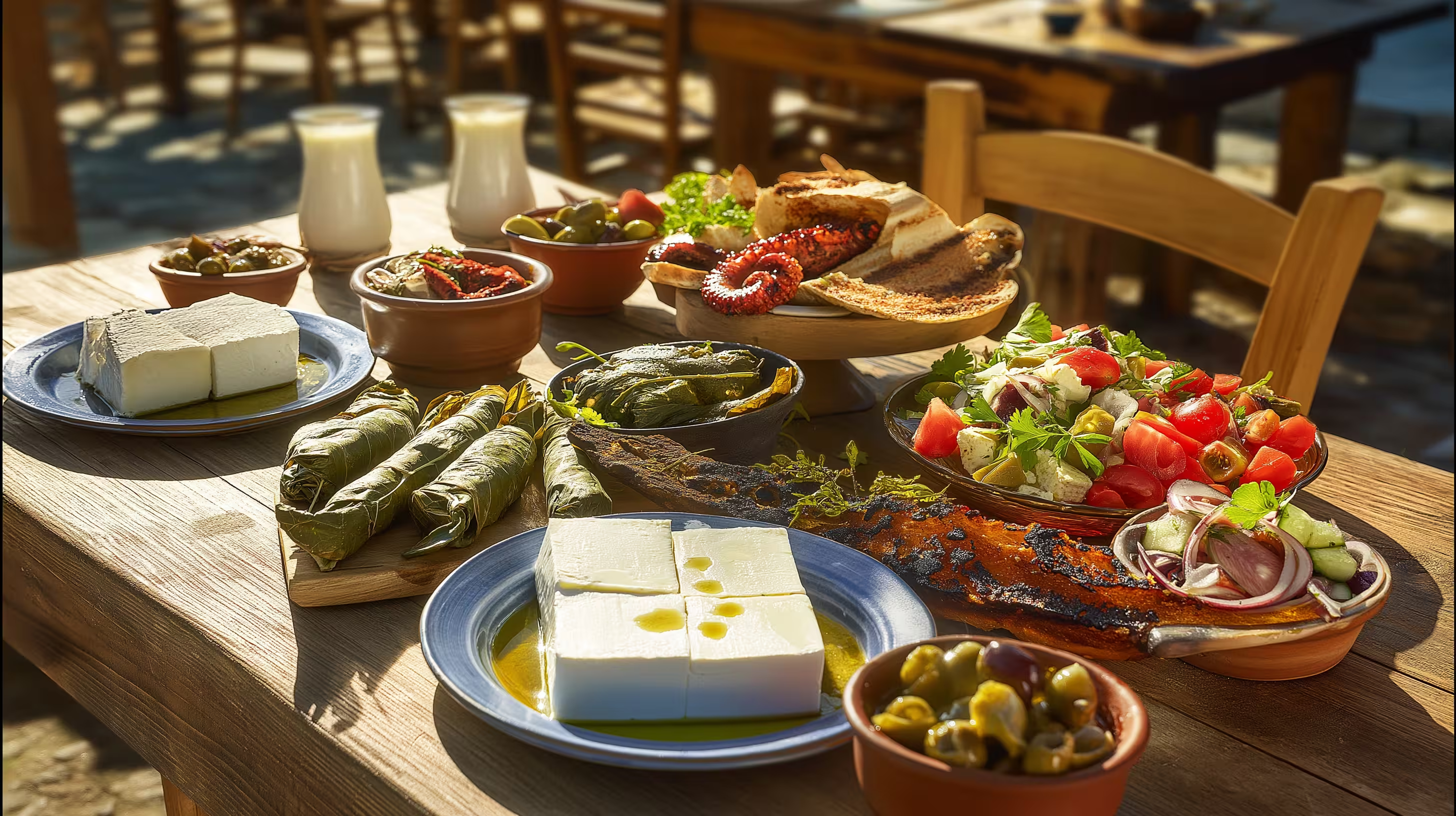
Meals are social events. The concept of mezze - many small dishes to be shared - is central to Greek food culture. Nobody eats alone, and nobody orders just for themselves.
Varvakeios Agora: The Central Market
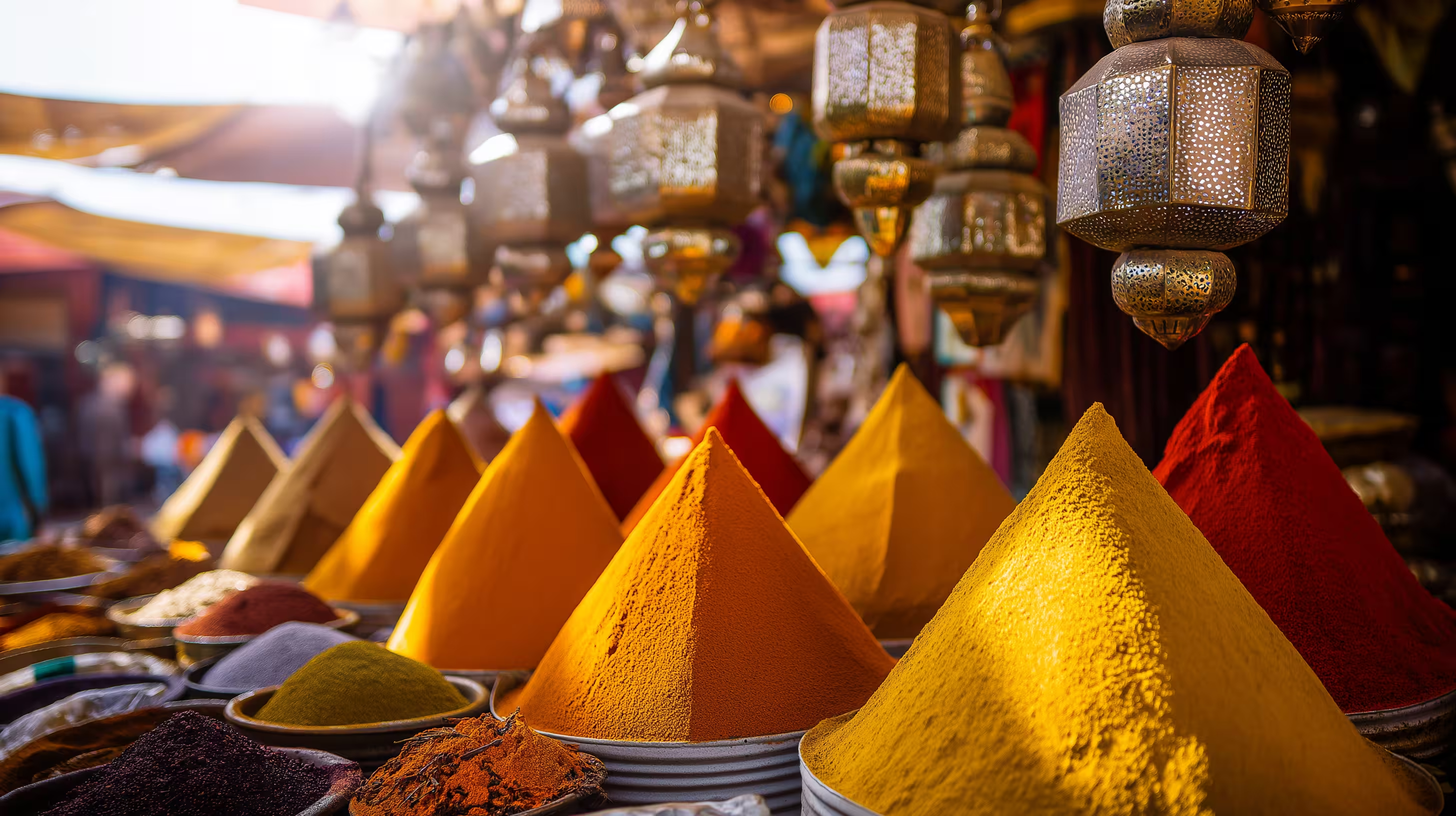
The Varvakeios Agora (Central Market) is Athens' pulsating culinary heart. Since 1886, meat, fish, and spices have been traded here. The fish hall is particularly impressive: fresh sea bream, sea bass, squid, and shrimp, straight from the Aegean Sea.
Across the street lies the meat hall, where butchers hang whole lambs and goats. For sensitive stomachs, this can be overwhelming, but it's the most honest form of food trade.
Around the market, you'll find small eateries that have fed workers for generations. **Dipiro** and **Stou Kosta** serve patsas (tripe soup) and other power broths from early morning - the classic Athenian hangover breakfast.
Psyrri and Monastiraki: The Taverna Heart
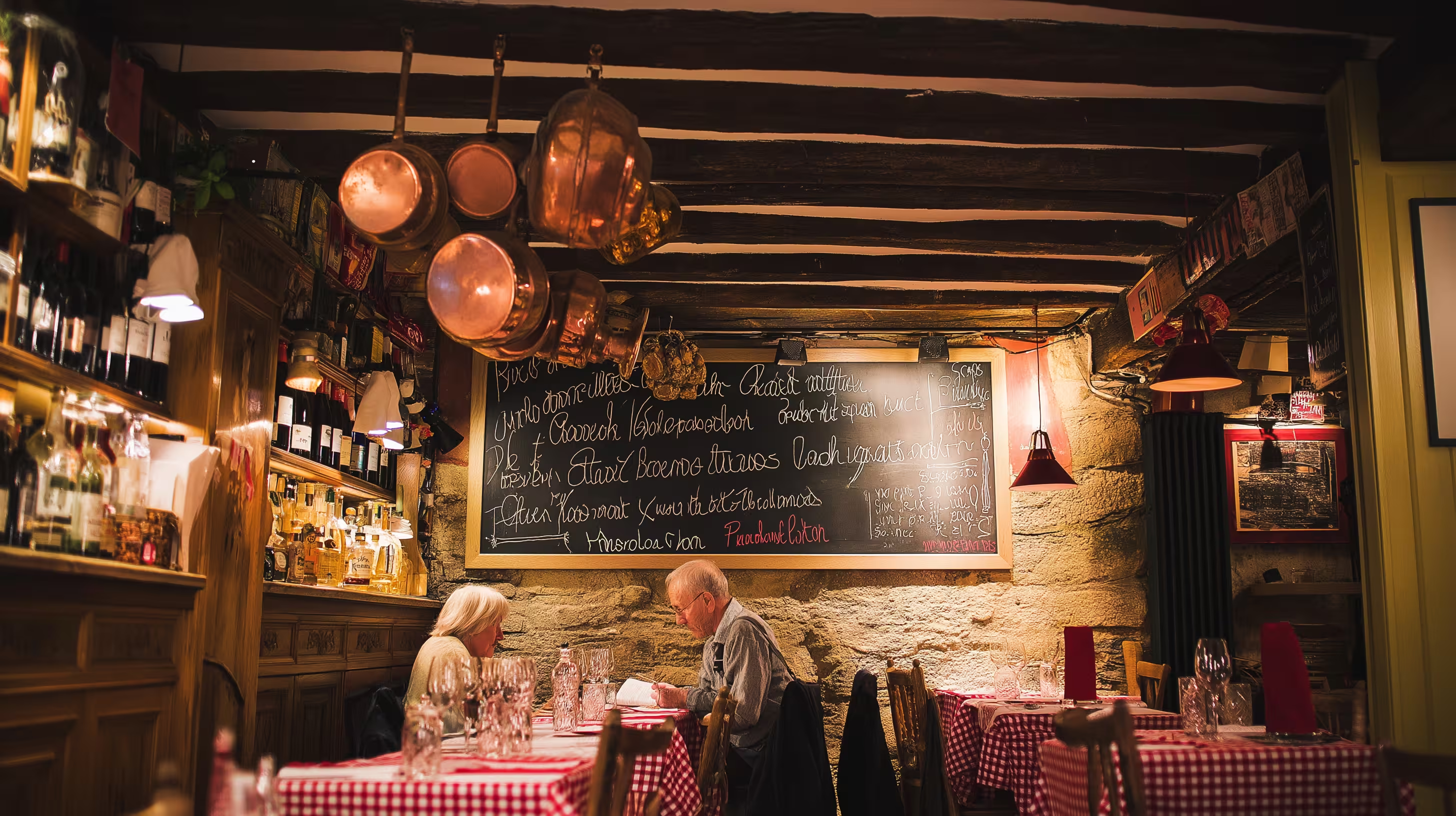
The Psyrri and Monastiraki neighborhoods are the center of Athenian nightlife and traditional tavernas. Here mezedopoleio after mezedopoleio line up - establishments specializing in mezze.
At **Karamanlidika tou Fani**, dive into the world of Greek charcuterie. Pastourma (spiced beef), soudzouki (spicy beef sausage), and kavourmas (confit meat) are specialties tracing back to Greek communities of Constantinople.
Ta Karamanlidika combines delicatessen with restaurant. Sit at one of the marble tables and have a plate of cold cuts and cheese assembled, plus wine from Naoussa or Nemea.For classic taverna cuisine, visit **Klimataria**, an establishment existing since 1927. Live music, dancing guests, and dishes like moussaka, pastitsio, and grilled lamb make the evening unforgettable.
New Greek Cuisine
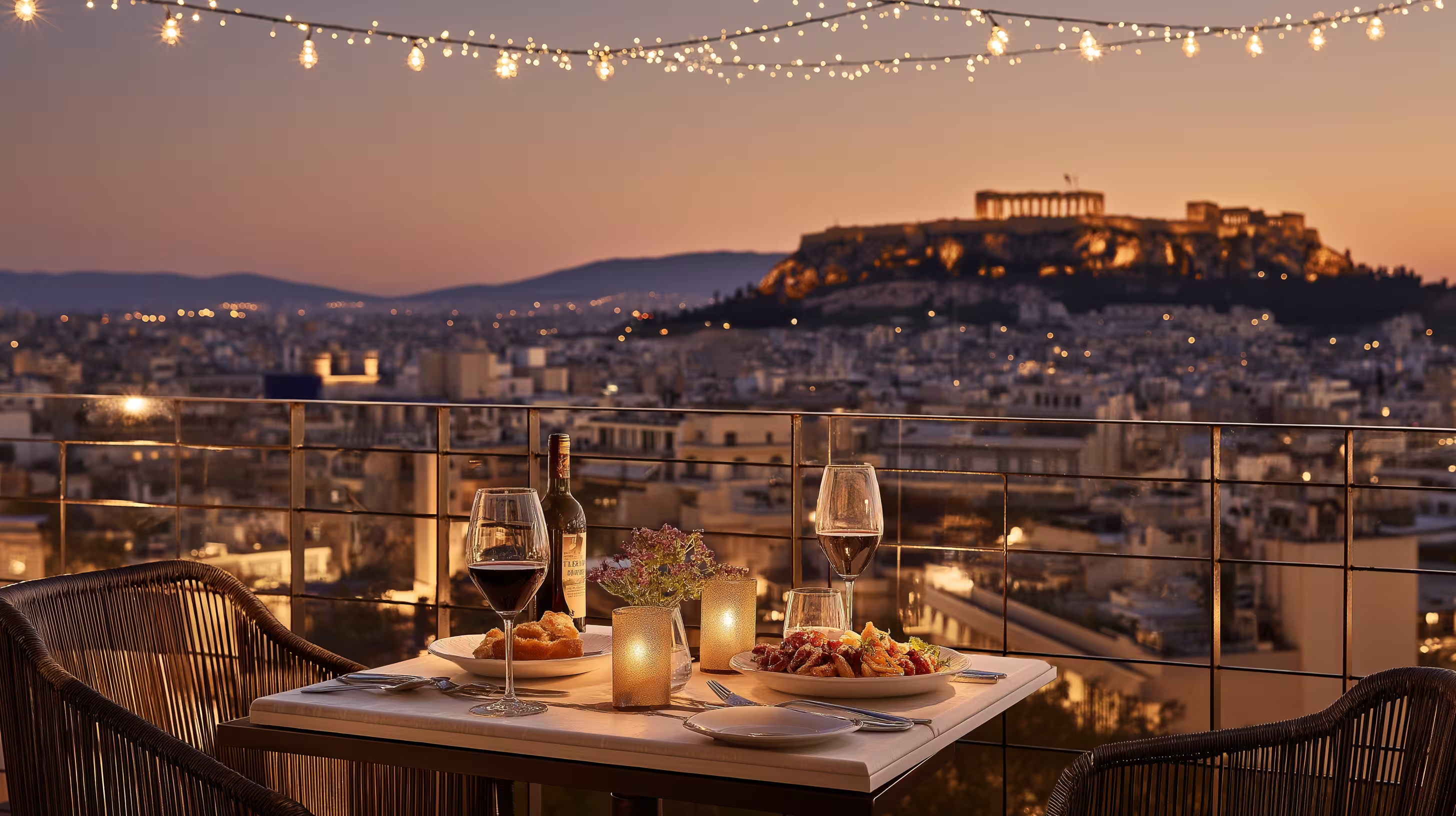
Athens also has an emerging fine dining scene. **Spondi**, the city's only two-star restaurant, combines French techniques with Greek products. The ambiance in a neoclassical house with courtyard is as impressive as the food.
Hytra, in the Onassis Cultural Centre, offers one Michelin star and spectacular city views. Chef Tasos Mantis interprets Greek classics in modern ways - his "Moussaka Concept" deconstructs the national dish.For innovative street food, visit **Birdman** in the Pangrati neighborhood. The yakitori-inspired skewers with Greek ingredients have achieved cult status.
Practical Information
Athens is a good destination year-round, but the best months for food lovers are April to June and September to November, when the heat subsides and terraces are lively.
Athens Airport is 27 km from the center, reachable by Metro in 40 minutes. From German airports, fly direct from Frankfurt (2:40 h), Munich (2:30 h), Dusseldorf (2:50 h), Berlin (2:45 h), and Stuttgart (2:35 h).
Book your parking at Parkplatz-Scanner.de and start your culinary discovery journey through the cradle of European civilization relaxed.
Park affordably at Leipzig/Halle Airport
Compare all parking lots and find the best price for your trip.